
How to use a Compex muscle stimulator: step-by-step tutorial
Just got a Compex and not sure where to start? This guide walks you through your first session, the three ways to train with it, a full leg workout and how to use it for recovery. Each part has a video from our Singapore team.
- Your first session in 5 steps
- 4 tutorial videos, 3 to 9 minutes each
- Filmed on the SP 8.0. The steps are the same on other SP models
- First session
- Pick a programme
- 3 ways to train
- Leg workout
- How high to go
- Recovery
- Workout finisher
- Common problems
- Pads and care
- FAQ
Your first Compex session in 5 steps
Set aside 15 minutes. Start with one muscle, such as the thigh or the forearm, so you learn how the contraction feels.
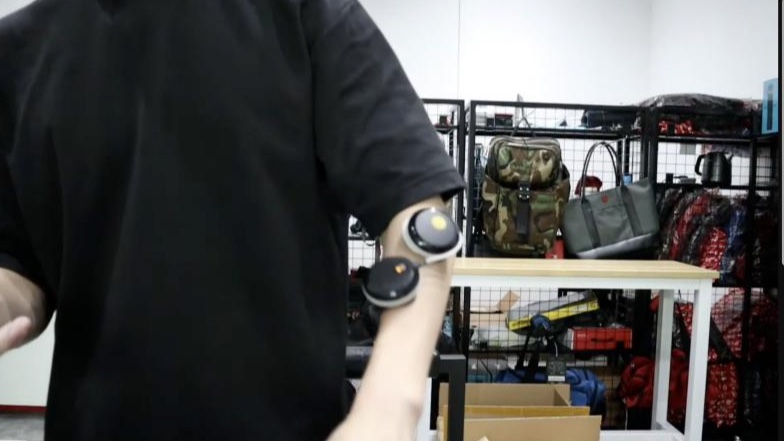
- Stick on the padsClean, dry skin first. Place the pads on the muscle you want to work, following the pad placement guide that comes with your Compex. For big muscles such as the quads, the long pads stick better and stay on when you move.

- Connect and switch onClip the cables to the pads, or snap on the wireless modules and switch each module on. Then turn on the device.
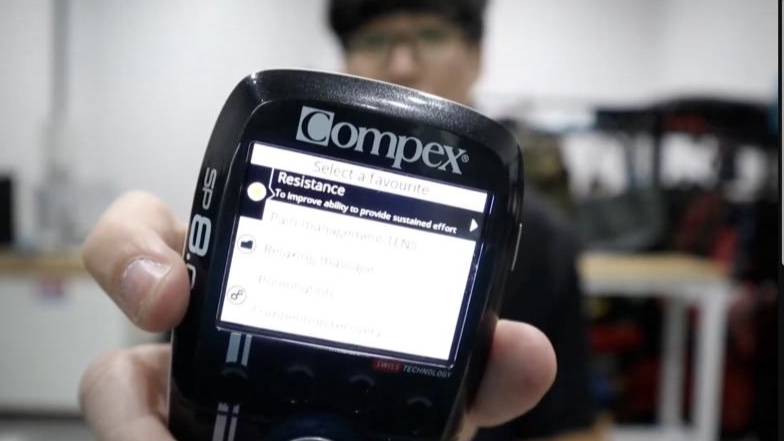
- Choose a programmeFor a first training session, go to Conditioning and pick Resistance. For recovery after exercise, pick Training Recovery.
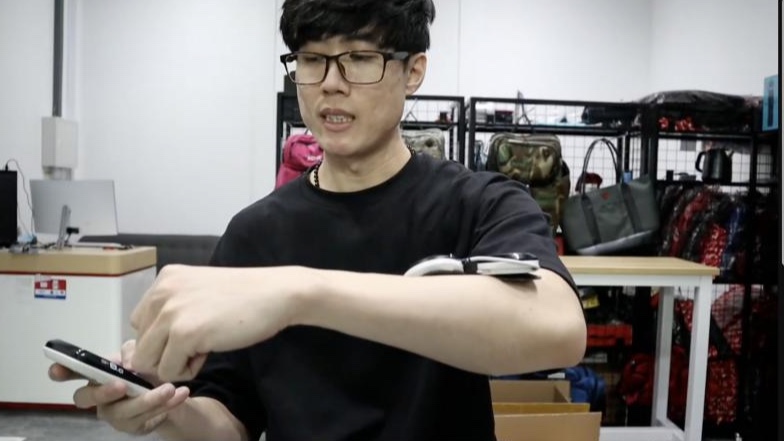
- Raise the intensity through the warm-upEvery training programme starts with a warm-up of quick, light pulses. Press up until you can see the muscle twitch.
- Work, rest, and raise it againThe programme then switches between a strong contraction and a rest. Raise the intensity a little after every round. To stop at any time, press the centre button.
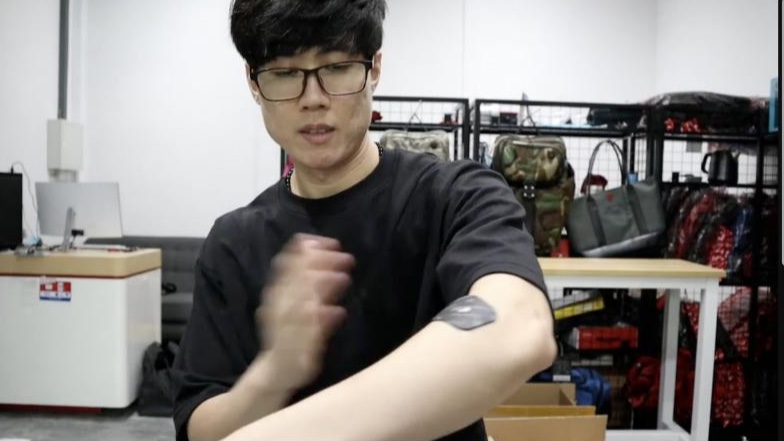
Recovering from surgery or an injury? Get the go-ahead from your surgeon or physiotherapist before you start, and never place pads on a wound or stitches.
Which Compex programme to choose
The programmes are grouped by what you want to do. Each one uses a different pulse pattern, so pick by your goal.
Rehabilitation: rebuild a weak muscle
Muscle Atrophy first, then Reinforcement. For a muscle that has been rested after surgery or injury. Read our rehab guide.
Pain management: short-term relief
The TENS programmes. They do not fix the cause of the pain. Use the relief to do the mobility work your therapist gave you.
Recovery: after training
Training Recovery, Reduce Muscle Soreness and Relaxing Massage. Fast, light pulses that bring fresh blood into the muscle.
Conditioning: build strength
Resistance (7 seconds on, 7 seconds off), Strength and Explosive Strength (shorter, sharper contractions) and Endurance.
Programme lists differ by model. The Resistance programme used in this tutorial is on the SP series. Compare Compex models.
The 3 ways to train with the Resistance programme
Resistance runs 7 seconds of strong contraction, then 7 seconds of rest. The contraction feels like lifting a heavy weight, with no weight on your joints. What you do during those 7 seconds changes the workout.
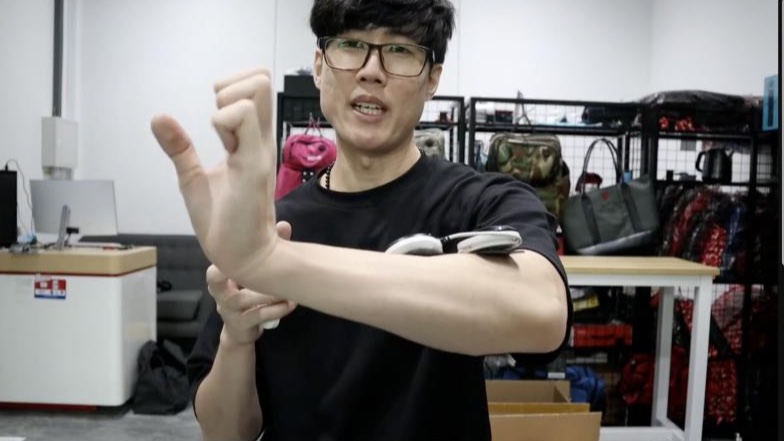
1. Relaxed: let the device do the work
You stay still and the Compex contracts the muscle. This is for when you cannot move the joint, such as in a cast, a brace or on bed rest. It keeps the muscle working so it loses less size.
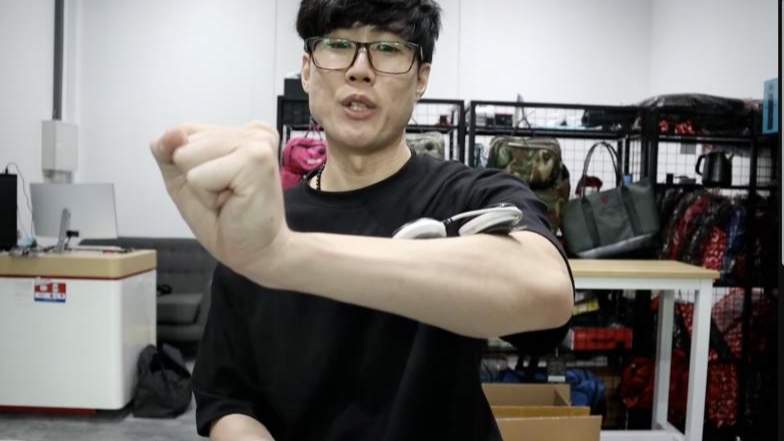
2. Isometric: hold still against it (start here)
Tense the muscle and do not let the limb move while the Compex pulls. For legs, hold a half squat or stay seated. It is the easiest to control, so use it for your first sessions.
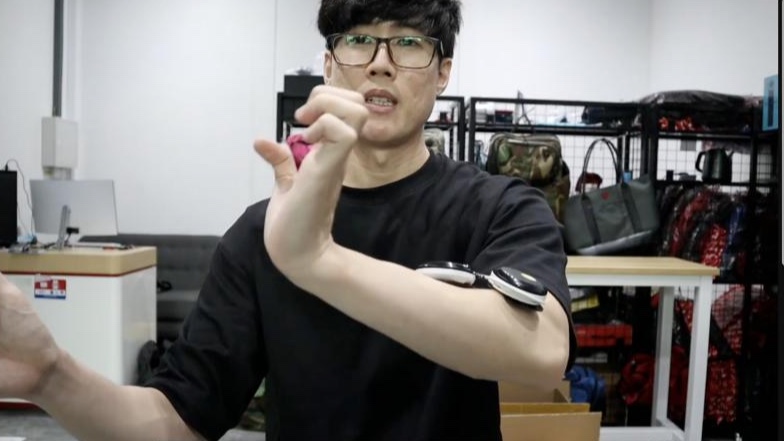
3. Eccentric: move slowly against it (advanced)
Work against the pull with a slow, controlled movement. You should fit 2 to 3 reps into each 7-second contraction, for example 2 slow squats.
Watch: basic training tutorial (7 min)
We show all three ways on the forearm, so you can see the muscle shorten and what holding and resisting look like. The same idea works on any muscle.
Eccentric demo starts at 2:09. Isometric demo starts at 4:04.
Compex leg workout: quads, step by step
A full quad session with no weights. You need about 10 minutes and enough room to squat.
- Pads on the thighsUse the long pads on the quads. If your pads are losing their stick, strap the modules on so they stay put.
- Resistance programme, warm-upSwitch on, choose Resistance and raise the intensity until the muscle twitches.
- Rounds 1 to 5: hold a half squatGet into a half squat before the contraction starts. Hold it and do not let your legs straighten. Treat these rounds as a warm-up and raise the intensity each time.
- Next rounds: 2 slow squatsWhen you are comfortable, start from the half squat and do 2 slow squats inside each 7-second contraction. Do not lock your knees at the top.
- Stop at 15 to 20 roundsThat is enough to feel it the next day. On your first time, stop at 10 to 15.
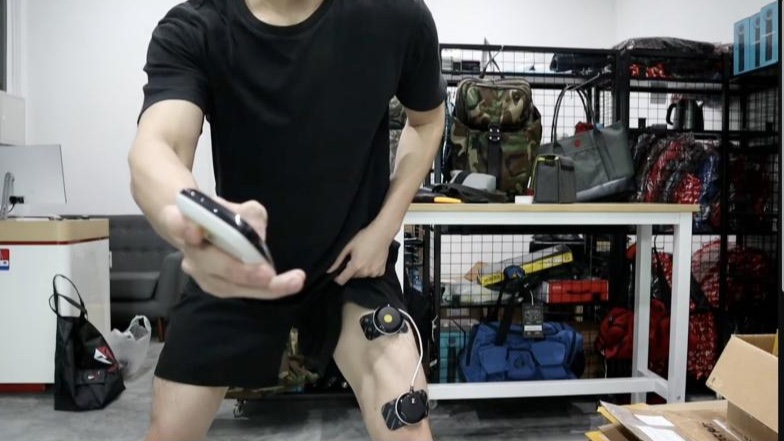
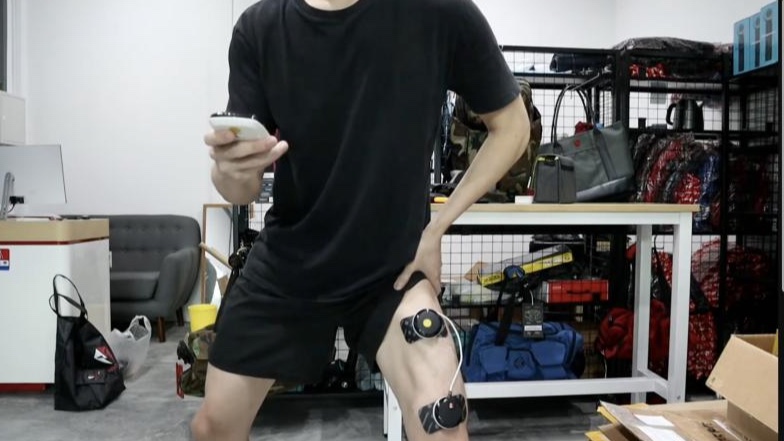
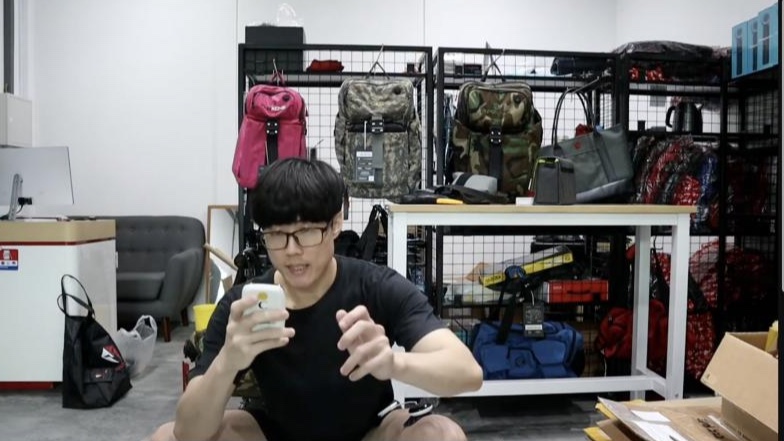
Watch: Resistance programme on the legs (8 min). Isometric half squat from 2:32. Squats from 4:41.
How high should the intensity go?
Higher than most people think. Go to a level that feels slightly uncomfortable but not painful, then raise it a little after every round, the same way you add weight in the gym.
40 to 50
Small muscles
Enough for the forearm and other small muscle groups, as long as it feels tough.
110 to 230
Quads, in our demo
Where we worked in the leg tutorial, starting at 90 and adding a little each round.
999
The top of the scale
You do not need to get near it. The range is there because some muscles need far more stimulation than others.
These are examples, not targets. Everyone feels the same number differently, and it changes with pad position. If it hurts, lower it.
How to use Compex for recovery
The recovery programmes feel very different from training. The muscle twitches quickly and lightly instead of holding a hard contraction. This moves fresh blood through the muscle when you are too tired for an easy jog or swim.
- Run Training Recovery straight after your session, most of all on days with two workouts
- With 4 channels and 8 pads you can do two muscle groups at once, such as quads and calves
- Do not pair quads and hamstrings in the same session
- Sit or lie down, and set the intensity to a strong but comfortable twitch
Watch: we set up Singapore national swimmer Tzen Wei with the recovery and strengthening programmes (9 min).
Use Compex as a workout finisher
At the end of a session you are often too tired to lift well. With the Compex on, a plain air squat becomes hard work again, because the device drives the contraction for you. CrossFit Games champion Mat Fraser uses it this way before a rest day.
- Resistance programme, pads on the quads
- 2 to 3 slow air squats in each 7-second contraction
- Raise the intensity about 10% each round
- Stop at 10 to 15 rounds if you are new. That is 30 to 40 squats
Common Compex problems and how to fix them
These are the questions new Compex owners in Singapore ask us most.
“I can’t feel much”
The intensity is too low. Raise it in the warm-up until you see the muscle twitch, then add a little every round. Check the whole pad is flat on clean, dry skin and each wireless module is switched on.
“I’m scared to turn it up”
Go up in small steps to a level that is slightly uncomfortable but not painful. You are in control the whole time: press the centre button and the session stops.
“The pads fall off when I move”
Use the long pads on big muscles such as the quads, and strap the wireless modules on for squats. Pads that have lost their stick need replacing.
“I was too sore the next day”
You did too many rounds for a first session. Next time stop at 10 to 15 rounds, and give that muscle about 48 hours before you train it again.
“I don’t know which programme to pick”
Choose by goal: Muscle Atrophy for rehab, TENS for pain, Training Recovery after exercise, Resistance to build strength. See which programme to choose.
“I don’t know what to do during the contraction”
Start by holding still against it. When that feels easy, move slowly against it. See the 3 ways to train.
How often to train, and how to look after the pads
How often
Treat it like the gym. Recovery and massage programmes are like a cool-down, so you can run them after every session. Resistance and strength programmes are a workout for that muscle. If it is sore the next day, rest it. A good guide is 48 hours before you train the same muscle again.
Pad care
In Singapore’s weather, expect about 25 to 30 sessions from a set if you do not sweat much. Clean and dry the skin first, put the pads back on their plastic sheet after use and keep them in the sealed bag. Replacement Compex pads are in stock.
Do not use a muscle stimulator if you have a pacemaker or other implanted electronic device, or epilepsy. Check with your doctor first if you are pregnant or have a medical condition. This guide is not medical advice.
Compex how-to questions, answered
How do I start using a Compex?
Stick the pads on the muscle, connect the cables or switch on the wireless modules, choose a programme, and raise the intensity until you see the muscle twitch. Every training programme starts with a warm-up. For your first session, pick the Resistance programme, hold the muscle still during each contraction, and stop after 10 to 15 rounds.
What intensity level should I use on a Compex?
Go to a level that feels slightly uncomfortable but not painful, and raise it a little after every round. The device goes up to 999. For a small muscle such as the forearm, 40 to 50 is plenty. Big muscles such as the quads can take much more: in our leg tutorial we worked between 110 and 230.
How long is a Compex Resistance session?
The Resistance programme starts with a warm-up, then runs 42 rounds of 7 seconds of contraction and 7 seconds of rest. You do not need to finish all 42. If you are moving with the contractions, 10 to 20 rounds is a full workout for that muscle.
Should I move or stay still during a Compex contraction?
Both work. Staying relaxed is for people who cannot move the joint, for example after an injury. Holding still against the contraction (isometric) is the best way to start. Moving slowly against it (eccentric), such as two or three slow squats, is the advanced way.
How often should I use a Compex?
Treat it like the gym. Recovery and massage programmes are like a cool-down, so you can run them after every session. Strength and muscle-building programmes are a workout for that muscle. If it is sore the next day, rest it. A good guide is 48 hours of rest before you train the same muscle again.
Can I use a Compex every day?
Recovery and massage programmes, yes. They work like a cool-down, so you can run them after every session. Strength programmes such as Resistance are a workout for that muscle, so give it about 48 hours before you train the same muscle again, and rest it if it is still sore.
Does a Compex hurt?
It should not. The tingling and the strong contraction feel strange at first, and the muscle can be sore after the first few sessions, like after a new workout. Set the intensity to slightly uncomfortable but not painful. If it hurts, lower it or press the centre button to stop.
Why can’t I feel my Compex working?
Most new users set the intensity too low. Raise it during the warm-up until you can see the muscle twitch, then keep raising it a little every round. Check that the whole pad is flat on clean, dry skin and that each wireless module is switched on. Worn pads also pass less stimulation, so replace pads that no longer stick.
Can I use a Compex while exercising?
Yes. During each contraction you can hold a position, such as a half squat, or move slowly against the pull, such as 2 slow squats. A wireless Compex is easier for this because there are no cables in the way.
Which Compex programme should I use after surgery or an injury?
Start with Muscle Atrophy, for a muscle that has shrunk after being rested, then move to Reinforcement to rebuild strength. Stay relaxed and let the device contract the muscle if you cannot move the joint yet. Get the go-ahead from your surgeon or physiotherapist first, and never place pads on a wound or stitches.
How do I use a Compex for pain relief?
Choose a TENS programme under Pain management and place the pads around the sore area. TENS does not fix the cause of the pain. It gives short-term relief, and the best use of that window is to do the mobility work or exercises your therapist gave you. See a doctor if the pain is strong or does not go away.
Why are my Compex pads not sticking?
Pads are consumables and lose their stick with use. Oil, sweat or lotion on the skin makes it worse. Clean and dry the skin first, put the pads back on their plastic sheet after each use, and keep them in the sealed bag. Once they stop sticking, replace them.
How long do Compex pads last?
In Singapore’s weather, expect about 25 to 30 sessions from a set of pads if you do not sweat much. Clean and dry the skin first, put the pads back on their plastic sheet after each use, and keep them in the sealed bag.
Stuck on pad placement or a programme?
Message us a photo of your setup and we will help. Still choosing a model? Our buyer’s guide compares all seven.